

For centuries, dragées have been part of life’s most beautiful moments. Christenings, weddings, communions, and births: these small sugar-coated sweets have become an iconic symbol of joyful celebrations. Yet behind their apparent simplicity lies true artisanal craftsmanship, passed down from generation to generation.
A Rich History Spanning Several Centuries
The origins of dragées date back to Antiquity, when the Romans already offered honey-coated almonds to celebrate births and weddings. It was during the Middle Ages, with the arrival of sugar in Europe, that dragées began to take on their modern form. The French city of Verdun made them its specialty as early as the 13th century and remains a world-renowned reference for dragées to this day.
Offering dragées therefore means taking part in a centuries-old tradition while sharing a touch of sweetness with loved ones.
The Secret to the Perfect Dragée
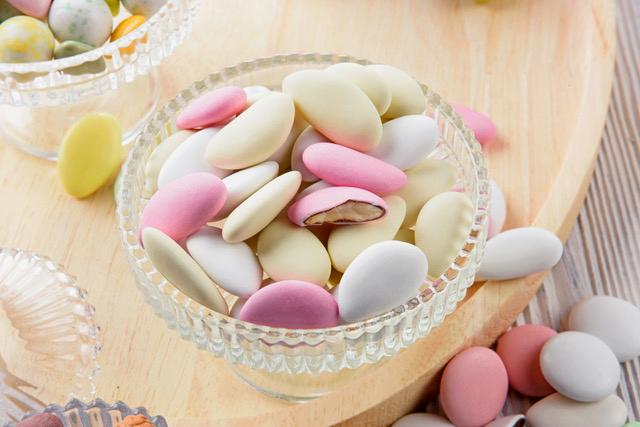
A high-quality dragée relies on two essential elements: the quality of its center and the delicacy of its coating.
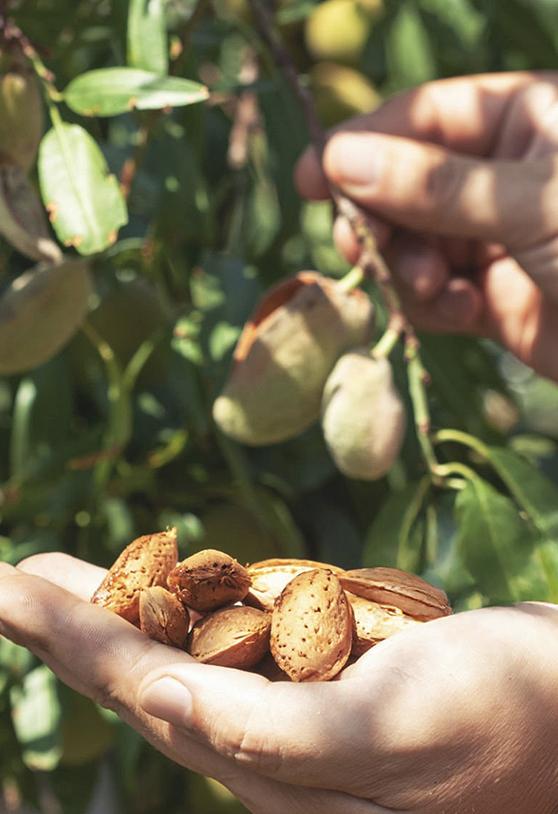
The center, most commonly an almond, should be plump, perfectly dried, and full of flavor. The finest dragées are made with Avola almonds, prized for their elongated shape and delicate taste. Chocolate, hazelnut, and fruit centers are also available, offering a variety of flavors to suit every preference.
The coating requires patience and precision. Layer after layer, sugar is gradually applied in large rotating pans until the dragées achieve their characteristic smooth, glossy finish. This process can take several hours and relies heavily on the expertise and experience of the dragée maker.
How to Choose Dragées for Each Occasion
Every celebration has its own traditions and color palette.
For a christening, blue is traditionally chosen for a boy and pink for a girl, although white and pastel shades remain timeless choices. For a wedding, white, ivory, and gold bring elegance and refinement. For a communion, white symbolizes the purity of the celebration.
Beyond color, quantity is also worth considering. Traditionally, five dragées are given to each guest, a lucky number said to represent health, wealth, happiness, fertility, and longevity.
Conclusion
Choosing handcrafted dragées means offering far more than a simple confectionery treat: it means sharing a tradition, an emotion, and exceptional craftsmanship. Whether for a christening, wedding, or any other celebration, take the time to select dragées worthy of the occasion.